
LNG Tank MLI Repair: Aluminum Foil and Fiberglass Paper Structures
For many LNG storage tanks, trailers, and older vacuum-insulated vessels, the insulation structure is already known: aluminum foil as the reflective layer, fiberglass paper as the separator, and an annular space that must return to a stable vacuum after service.
In repair work, the supplier’s job is usually not to sell a new insulation concept. The better job is to help the maintenance team keep the existing structure under control: matching foil, matching fiberglass paper, usable widths, clean bags, local patches, approved tape, adsorbent support, and records that make the repair traceable.
This is Part 2 of the East Far Cryo cryogenic tank MLI repair series. The focus is narrow on purpose: what should be checked when an LNG tank with aluminum foil and fiberglass paper MLI is opened, patched, or prepared for re-evacuation?

Do Not Change A Mature Stack During Maintenance
An old LNG tank may have worked for years with a stable wrapping method. The layer count, foil width, paper format, overlap direction, nozzle treatment, adsorbent location, and pump-down procedure may all be part of that plant’s normal service practice.
Changing that stack during a maintenance window creates risk. A different film, spacer, tape, or wrapping tension may look better on a data sheet but still create problems in the real tank: slower pump-down, blocked gas paths, local compression, more handling damage, or a repair record that the owner cannot compare with earlier work.
For most aging LNG tanks, the practical question is:
Which parts of the original aluminum foil and fiberglass paper structure need to be restored, and which local details need a prepared repair kit?
That question keeps the discussion close to the tank, not the catalog.
Why Aluminum Foil And Fiberglass Paper Are Still Used
Aluminum foil provides a low-emittance reflective surface. Fiberglass paper separates foil layers and gives a more continuous spacer format than open netting. This kind of construction is heavier and less flexible than thin aluminized polymer MLI, but it is familiar to many LNG tank manufacturers and service teams.
It also has a practical repair advantage. Local damaged areas can often be patched with compatible foil, paper, and approved fixing material without rebuilding the entire annular insulation system.
NASA cryogenic insulation references discuss aluminum foil and fiberglass paper among conventional vacuum-insulation constructions for vessels and piping. The useful lesson for repair is not that one structure is universally best. It is that material selection, layer execution, compression, seams, penetrations, and edge details must be treated together.
Check The Local Failure Area First
When vacuum performance worsens, it is tempting to blame the whole insulation stack. In maintenance, local details often deserve the first inspection.
| Repair area | What to inspect | Material preparation |
|---|---|---|
| Nozzles and valves | Gaps, torn foil, shifted paper, exposed metal paths | Narrow foil and paper strips, shaped collars, small patches |
| Manways and access openings | Dirt, moisture pickup, edge damage, layer discontinuity | Clean replacement sheets, pre-cut edge pieces, labeled bags |
| Supports and saddles | Compression, crushed layers, contact bridges | Local separation material, reinforcement pieces, controlled wrapping tension |
| Heads and curved surfaces | Wrinkles, uneven overlap, loose or bunched layers | Shorter cut lengths, radial pieces, installation labels |
| Vacuum ports | Blocked evacuation path, loose material near port | Local trimming plan, vent path clearance, containment pieces |
| Transport-damaged areas | Shifted layers, abrasion, loose edges | Patch kit, approved tape, inspection record |
The goal is not to make every repair area thicker. A thick patch that blocks venting or compresses the surrounding layers can make the vacuum work harder.
Fiberglass Paper Needs Handling Discipline
Fiberglass paper is easy to underestimate because it looks like a simple separator. In the vacuum space it also affects gas movement, local contact, and repair cleanliness.
Before closing the tank, check whether the paper has absorbed moisture, shed particles, torn around openings, or been compressed in a support zone. If the tank stayed open in humid air, exposure time should be part of the maintenance record.
For a repair kit, specify:
- paper type or customer-approved equivalent;
- sheet or roll width;
- cut length and repair-zone shape;
- packaging method;
- moisture and contamination handling rules;
- whether the paper is used continuously or only in local patches.
The repair package should make the installer choose less in the field. That is the point.
Tape Is A Local Tool, Not A Blanket Layer
Aluminum foil tape or other approved low-temperature fixing materials can be useful around edges, overlaps, access openings, and local repair pieces. But tape should not become the hidden structure of the whole repair.
Large tape areas can add conductive bridges, stiffen a section, trap gas pockets, or add outgassing load if the material is not appropriate for the vacuum space. In an LNG tank repair, tape should be specified by function:
- temporary holding during wrapping;
- edge control at a repair opening;
- overlap fixing where the original method used tape;
- local patch retention near nozzles or supports;
- label or orientation support outside the critical layer region.
If a customer already has an approved tape practice, the repair kit should follow it. If not, the tape choice should be reviewed with the tank owner before shipment.
Adsorbent And Molecular Sieve Should Be Reviewed Together
The foil and paper stack does not work alone. Vacuum recovery also depends on leakage, moisture, outgassing, pump-down procedure, and the condition of adsorbents or molecular sieves.
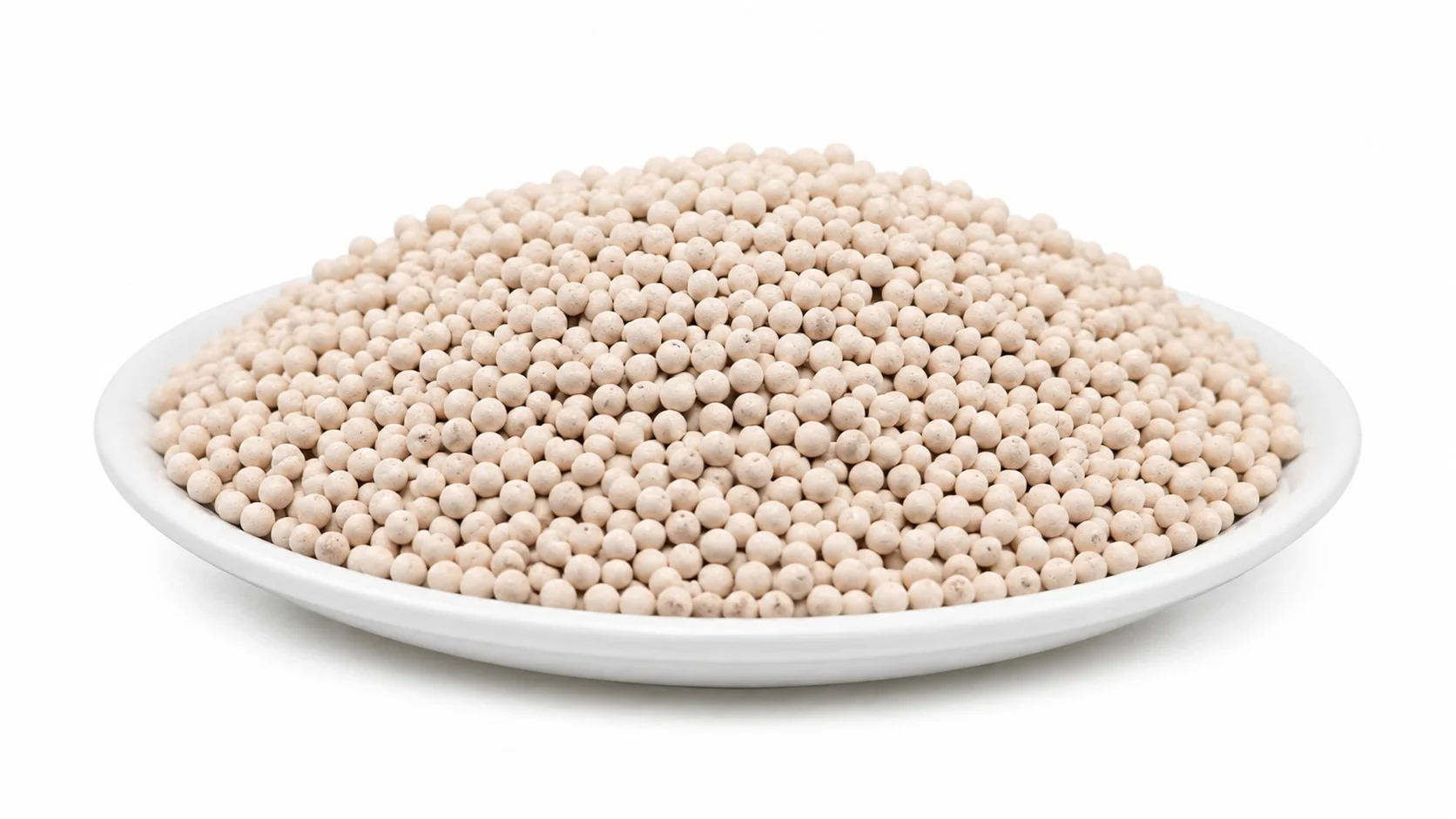
If the annular space has been opened, the maintenance team should decide whether the old adsorbent stays, is replaced, or is supplemented. The decision should be based on exposure history, package condition, placement, activation rules, and the owner’s vacuum acceptance method.
More adsorbent is not automatically a repair. Poor placement can block gas paths or become a loose contamination source. East Far Cryo can supply vacuum support materials, but the amount and placement should follow the tank design and maintenance procedure.
A Practical Repair Kit For This Structure
For an LNG tank using aluminum foil and fiberglass paper, a controlled kit may include:
-
Matched reflective material
Aluminum foil in the customer’s required thickness, width, roll length, or pre-cut shape. -
Matched separator material
Fiberglass paper or approved equivalent, packed to reduce moisture and handling contamination. -
Local patch sets
Pre-cut pieces for nozzles, manways, supports, saddles, heads, and access windows. -
Approved fixing materials
Aluminum foil tape or other project-approved tape for limited edge, overlap, and local holding work. -
Vacuum support materials
Adsorbent, molecular sieve, or getter-related materials with clear exposure and containment rules. -
Packaging and records
Repair-zone labels, batch numbers, material names, package dates, and installation notes.
This keeps the repair close to the original tank logic while reducing field improvisation.
RFQ Data To Send
For a useful material recommendation, send:
- tank type, volume, service age, and cryogen;
- original insulation structure, including foil and fiberglass paper details if known;
- drawings or photos of nozzles, supports, manways, and repair areas;
- vacuum trend, pump-down history, or vacuum acceptance method;
- known boil-off, pressure-rise, frost, or condensation observations;
- whether the vacuum jacket will be opened and for how long;
- adsorbent or molecular-sieve type, amount, package form, and location;
- allowed tape or fixing material;
- required delivery format: rolls, slit rolls, pre-cut parts, zone-labeled kits, or spare packs.
If some information is missing, start with photos and the existing material description. A maintenance kit can be narrowed after the first review.
East Far Cryo’s Scope
East Far Cryo can supply aluminum foil and fiberglass paper MLI repair materials, CryoTape, vacuum support materials, slit rolls, profile-cut patches, labels, and packed repair kits.
We do not replace the tank designer, repair contractor, vacuum engineer, inspection body, or safety authority. The final repair method, vacuum acceptance, leak test, and operating approval remain project responsibilities.
Related Pages
- Cryogenic Tank MLI Repair Series: Part 1
- LNG Tank Maintenance: MLI Repair Kits and Vacuum Support Materials
- LNG / LN2 / LOX Storage & Transport
- CryoMLI 101
- CryoTape AlF
- CryoGetter / Vacuum Support
- Processing & Delivery
- Contact East Far Cryo
Talk To East Far Cryo
If an LNG tank with aluminum foil and fiberglass paper MLI is scheduled for repair or re-evacuation, send the original structure, repair area, vacuum history, adsorbent practice, and delivery format. East Far Cryo can prepare a compatible material kit for project review.