
An LNG tank that has been running for ten years does not need a supplier to explain what MLI is. Most tank builders and service teams already know the aluminum foil and fiberglass paper structure well. They have their own wrapping method, vacuum process, adsorbent practice, and acceptance habits.
So the useful question is narrower: when an old tank is opened, repaired, re-evacuated, moved, or brought back into service, what materials should be ready before the work starts?
East Far Cryo’s role in this kind of project is not to push a new insulation structure over a proven one. The better fit is a maintenance material package: compatible foil and fiberglass paper, slit rolls, pre-cut patches, low-temperature fixing tapes, adsorbents or molecular-sieve support materials, labels, and clean packaging that match the customer’s existing process.
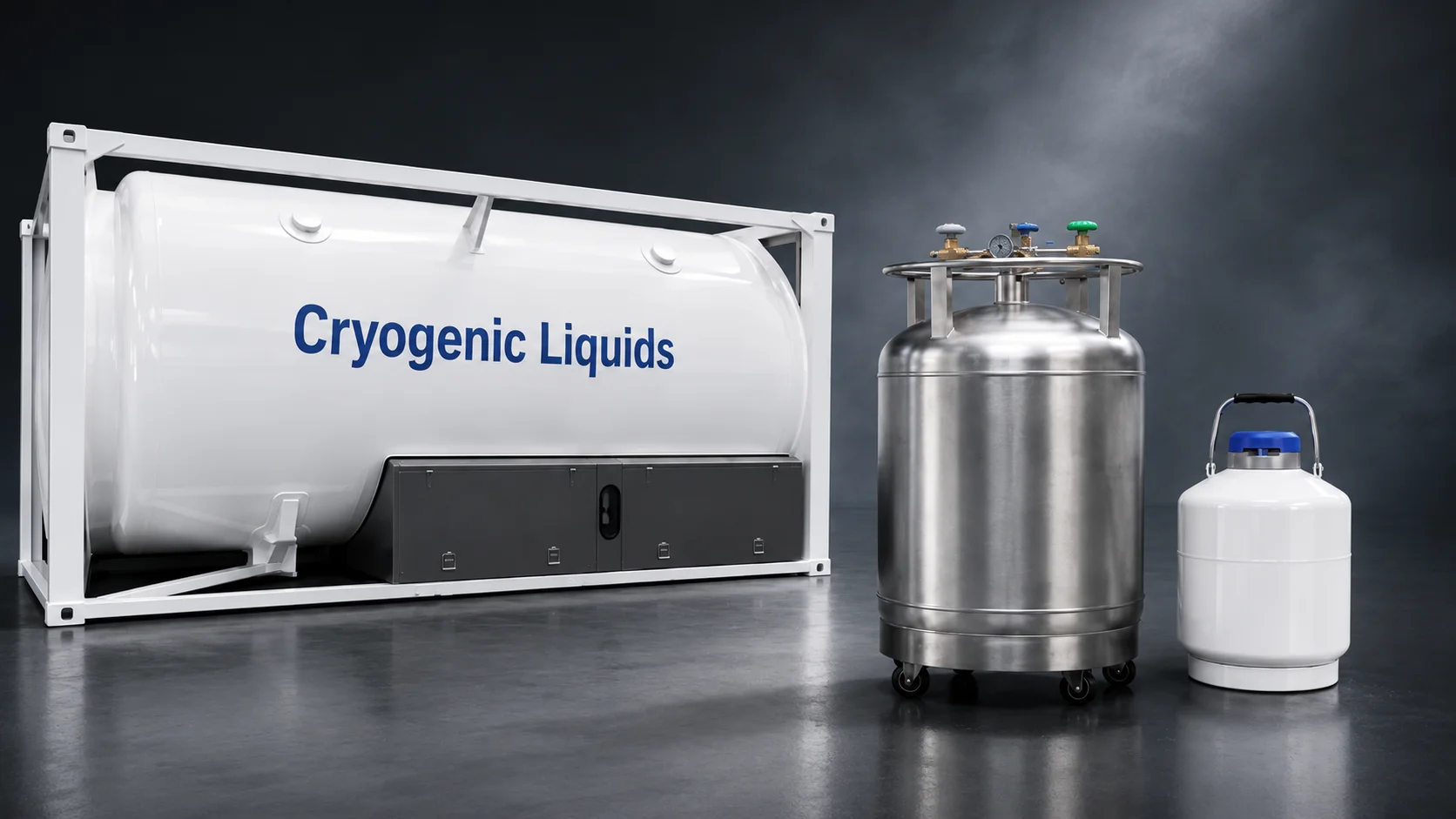
Start with the history of the tank
New tank design starts with drawings and heat-leak targets. Old tank maintenance starts with what has already happened.
Before discussing materials, it helps to ask a few plain questions. Has the vacuum trend changed? Has boil-off increased compared with earlier operation? Was the tank transported or lifted recently? Will the vacuum jacket be opened? Were any nozzles, valves, manways, or instrument ports repaired? How long will the annular space stay exposed to air?
These details matter because the original MLI stack may still be fine. The weak point may be a local repair area, a compressed support zone, moisture absorbed during opening, or adsorbent material that has already done years of work.
The goal is not to redesign the tank during maintenance. It is to avoid field improvisation when the tank is already open.
A vacuum reading is only part of the story
One vacuum reading from one gauge can be misleading. For an old LNG tank, the trend usually says more.
A maintenance team should look at the vacuum history alongside operating behavior:
- whether pressure rises faster than it used to;
- whether pump-down takes longer after service work;
- whether boil-off rate or pressure build-up has changed;
- whether local condensation, frost, or cold spots appeared;
- whether the vacuum space was exposed to humid air;
- whether the old adsorbent package is still contained and usable.
If vacuum hold has degraded, re-pumping may help, but it may not be enough. The cause may be leakage, water vapor, material outgassing, exhausted adsorbent, damaged MLI, or several of these at the same time.
Most MLI repair work is local
In many tanks, the large wrapped area is not the first place to fail. The details usually deserve more attention.
| Area to check | What often goes wrong |
|---|---|
| Nozzles and instrument ports | Gaps, weak overlaps, exposed metal paths |
| Supports and saddles | Compressed layers and reflector contact |
| Heads and curved sections | Uneven layer density, wrinkles, shifted material |
| Manways and repair openings | Torn layers, dirt, moisture pickup |
| Vacuum ports | Poor gas path during pump-down |
| Lifted or transported tanks | Loose edges, crushed insulation, displaced layers |
This is where a prepared kit helps. A roll of foil and a roll of fiberglass paper are useful, but they do not solve everything. Pre-cut patches, slit widths, shaped pieces, and labeled bags save time and reduce guesswork in the shop.

Recheck the vacuum support materials
Adsorbents and molecular sieves are often treated as background items. In maintenance work, they deserve a fresh look.
If the annular space has been opened, the old adsorbent may have taken in moisture and air. If the tank has been in service for years, the material may still be present but no longer have the same reserve capacity. Packaging can also matter. Loose powder, damaged bags, or poorly fixed material can create new problems inside the vacuum space.
Before closing the tank, confirm:
- whether the old adsorbent should stay, be replaced, or be supplemented;
- whether it was exposed to air and for how long;
- whether containment bags, screens, or fixtures are intact;
- whether the placement blocks or helps pump-down;
- whether activation, bake-out, or exposure control is required;
- how the vacuum hold test will be judged after maintenance.
More adsorbent is not automatically better. Type, amount, position, containment, and activation should follow the tank designer’s rules and the maintenance plan.
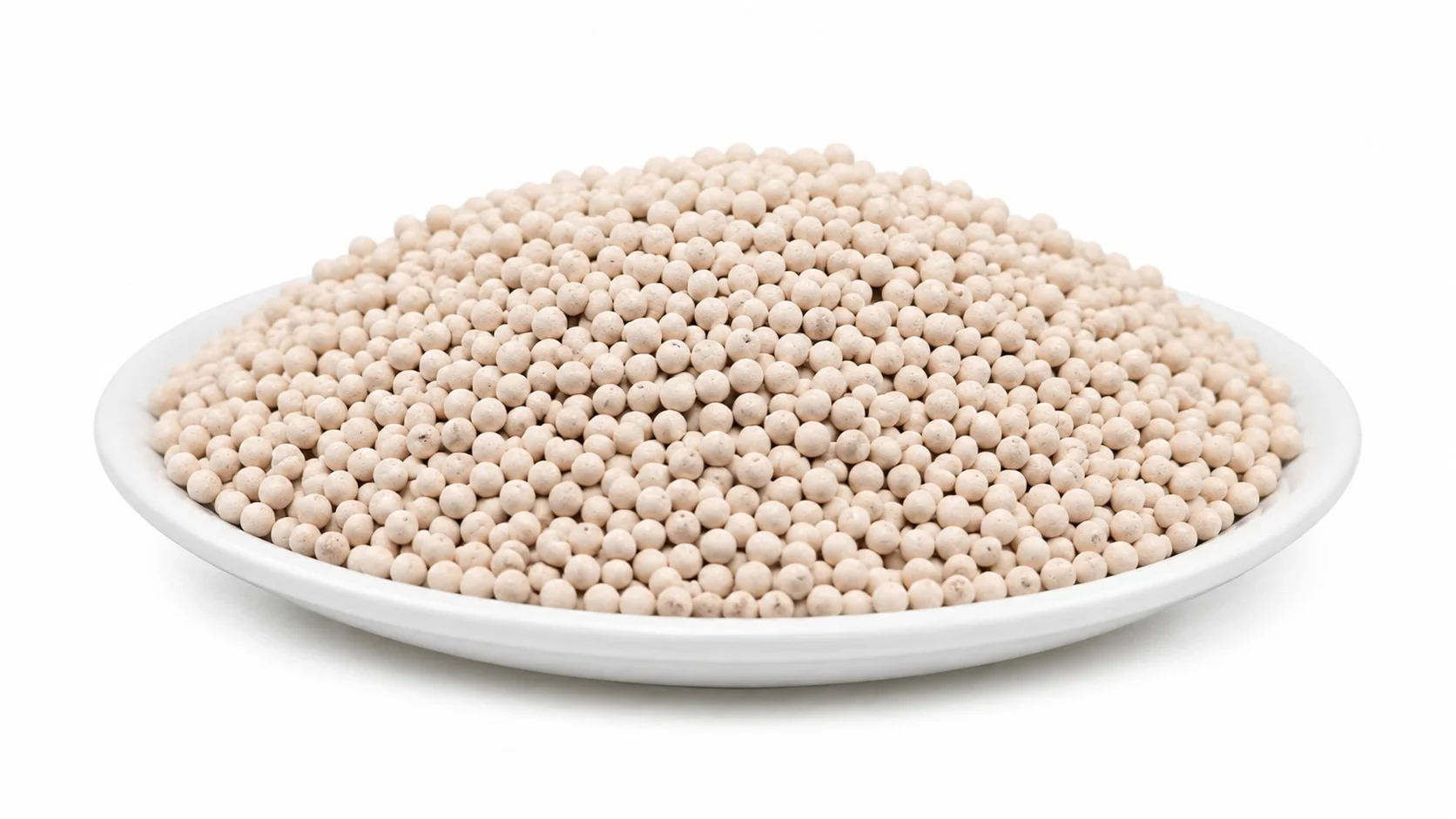
What to prepare before the tank is opened
A practical LNG tank maintenance kit may include:
-
Compatible MLI repair materials
Aluminum foil, fiberglass paper, or customer-specified matching materials for local replacement and patching. -
Slit and pre-cut parts
Narrow rolls, cut lengths, openings, and shaped pieces prepared for nozzles, supports, heads, and access openings. -
Low-temperature fixing materials
Aluminum foil tape or other approved tapes for edges, overlaps, and local holding. Tape should be used carefully, since large covered areas can create unwanted heat paths. -
Protection and separation materials
Local reinforcement for areas that see handling, abrasion, or repeated service access. -
Vacuum support materials
Adsorbents, molecular-sieve materials, or customer-specified vacuum maintenance materials with clear packaging and exposure rules. -
Labels and records
Batch numbers, repair locations, material IDs, packaging dates, and maintenance inspection notes.
None of this requires changing the customer’s proven MLI design. It simply makes the maintenance work easier to repeat and easier to review later.
When this approach is useful
This kind of kit is worth preparing when an LNG tank is scheduled for re-evacuation, when the vacuum trend has worsened, when boil-off is no longer close to historical values, or when a nozzle, valve, manway, or instrument port will be opened.
It is also useful for tank fleets. A customer with several similar tanks may not want to solve the same material question every time maintenance comes up. A standard spare-parts list can cover common foil and fiberglass paper sizes, approved tape widths, local patch shapes, adsorbent package formats, and labeling rules.
Information to send for an RFQ
For a maintenance discussion, send whatever is available:
- tank type, volume, and service age;
- original MLI structure, such as aluminum foil plus fiberglass paper;
- annular-space dimensions and nozzle layout;
- current vacuum reading and historical vacuum trend;
- boil-off, pressure-rise, condensation, or frost notes;
- planned repair area and whether the vacuum jacket will be opened;
- original adsorbent type, amount, package form, and location;
- required delivery format: rolls, slit material, pre-cut parts, labeled kits, or spare packs;
- post-maintenance acceptance method, such as leak test, vacuum hold, or boil-off test.
If some data is missing, send photos, drawings, material names, and the maintenance target first. The material list can be tightened before release.
East Far Cryo’s scope
East Far Cryo supplies cryogenic insulation materials, MLI repair materials, low-temperature tapes, protection layers, and vacuum support materials. We can also support slitting, rewinding, profile cutting, openings, labeling, and project packaging.
We do not replace the tank designer, vacuum engineer, inspection body, or safety authority. Any maintenance material package should be checked against the owner’s procedure, pressure-vessel rules, leak-test plan, and operating safety requirements.
Related pages
- LNG / LN2 / LOX Storage & Transport
- Cryogenic MLI Selection Guide
- Thermal Models & Other Heat Leak Paths
- CryoMLI 101
- CryoMLI 201
- CryoTape AlF
- CryoGetter / Vacuum Support
- Contact East Far Cryo
Talk to us before the maintenance window
If an LNG tank is due for re-evacuation, local repair, or spare-parts standardization, send the original MLI structure, vacuum history, repair area, and material requirements to East Far Cryo. We can help prepare a compatible MLI and vacuum support kit for project review.