

Application material system
Space & Deep Cryogenic Missions
Develop mission-specific material packages for multiple thermal zones, long-duration vacuum exposure, strict contamination limits, and geometry that may not permit conventional installation.
East Far material scope
Relevant East Far products
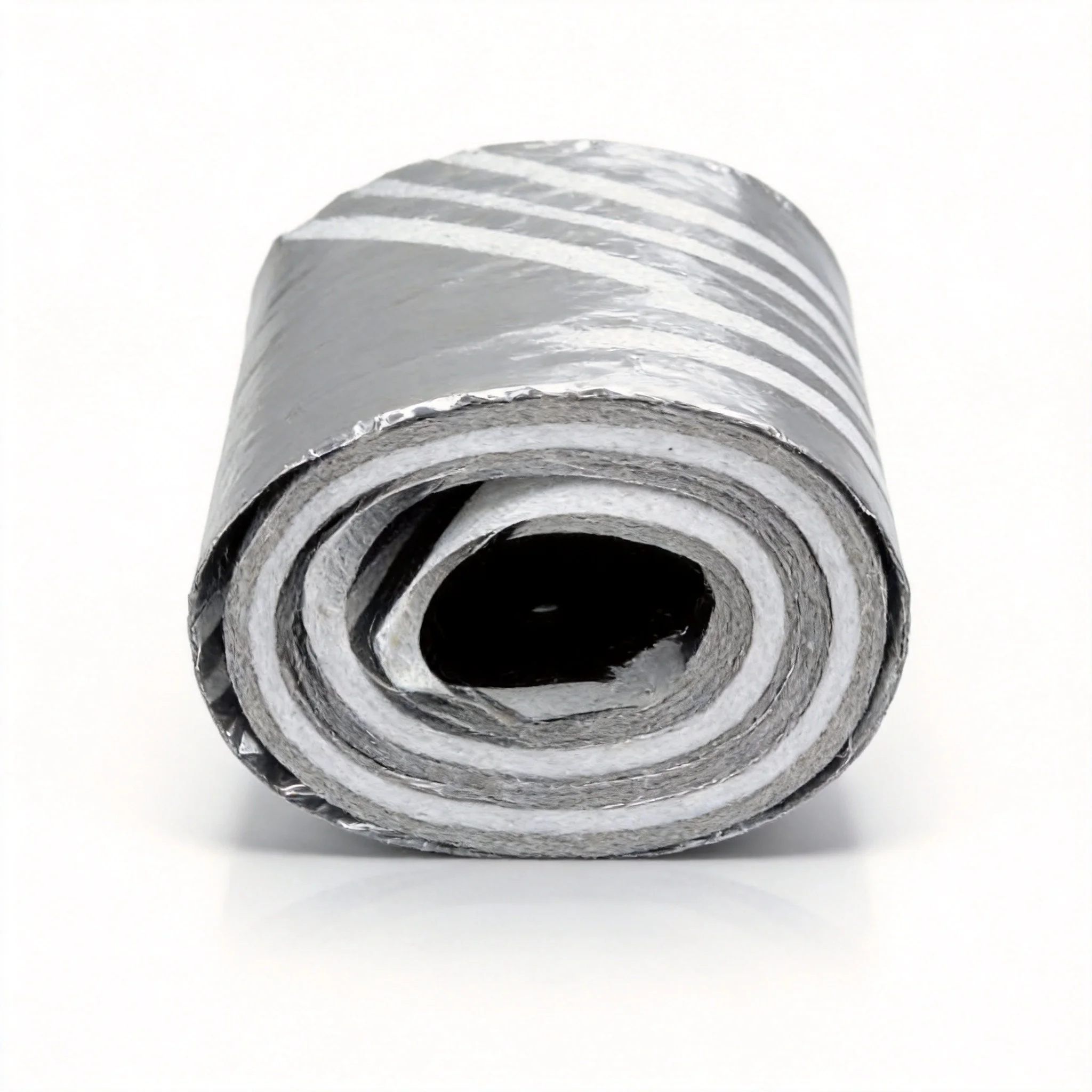
CryoFilm Al-PET / Al-PI
Reflective film material for cryogenic MLI layers, venting layers, spacecraft-style thermal blankets, and drawing-based insulation kits.
CryoMLI 102
Low-emissivity MLI for cryogenic storage, transfer, spacecraft thermal control, and superconducting systems.
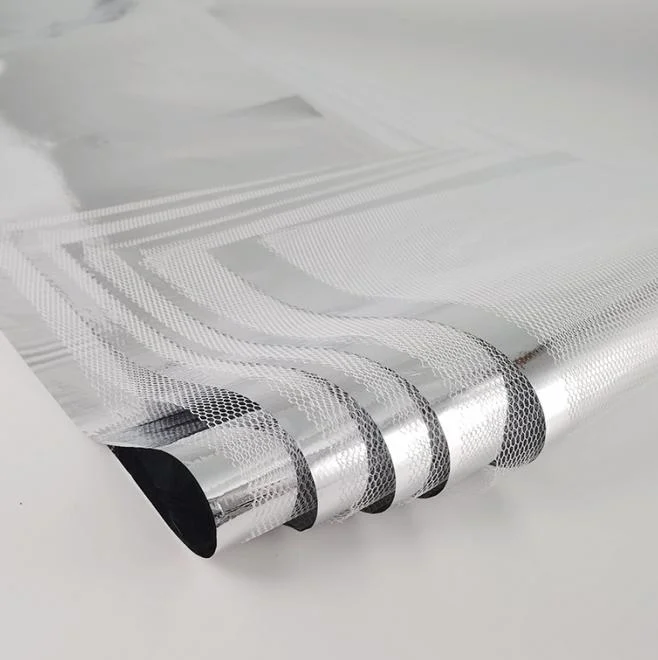
CryoMLI 302
Open spacer structure for high-vacuum cryogenic systems, superconducting systems, and spacecraft MLI blankets.
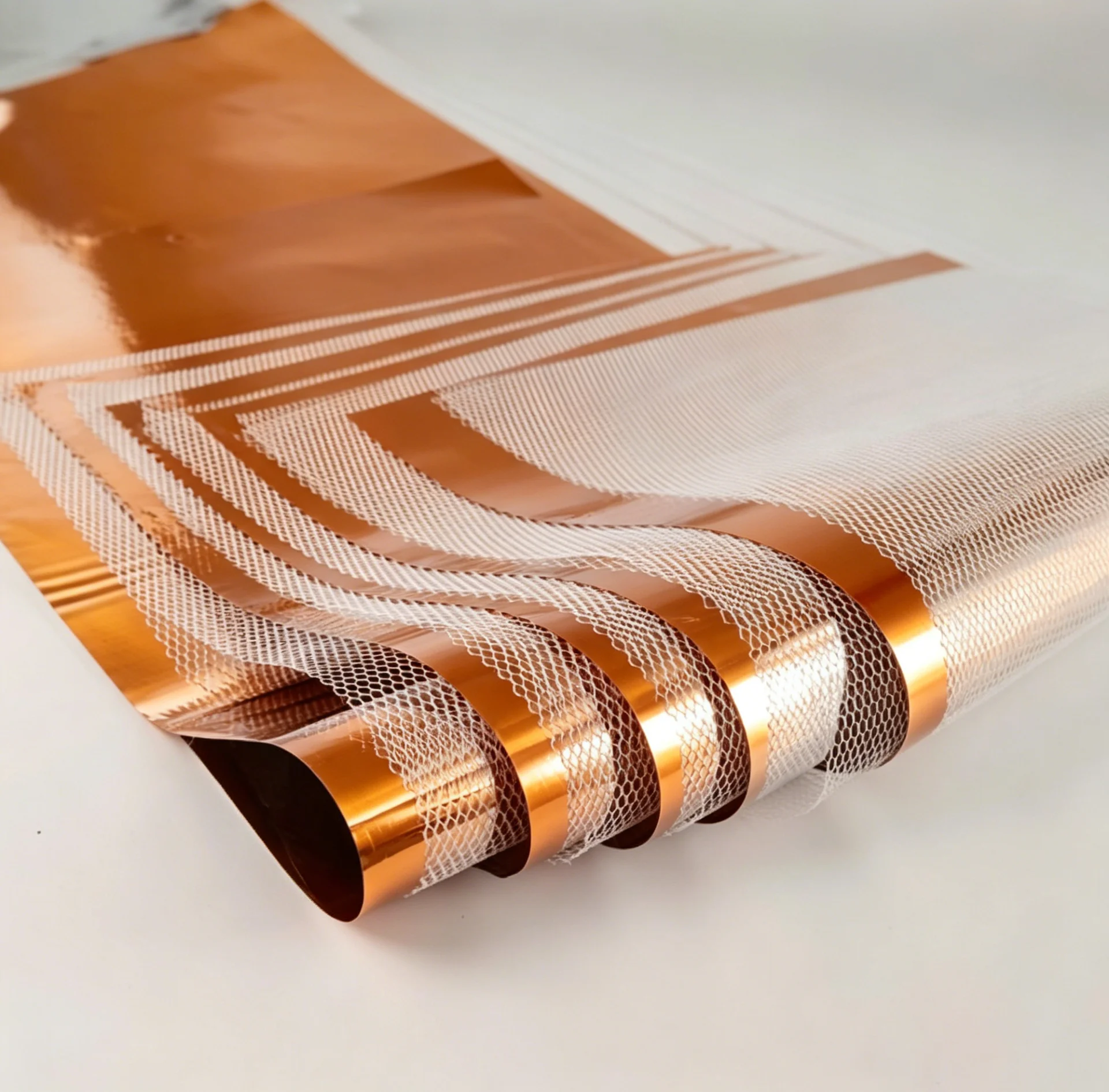
CryoMLI VDMix
Custom variable-density MLI package for LH2, fusion, accelerator, and research cryogenic systems.
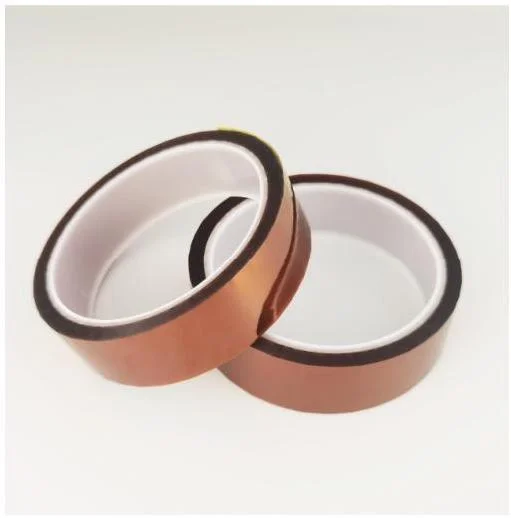
CryoTape PI
High-temperature and cryogenic-compatible tape for aerospace, superconducting, and research systems after project review.
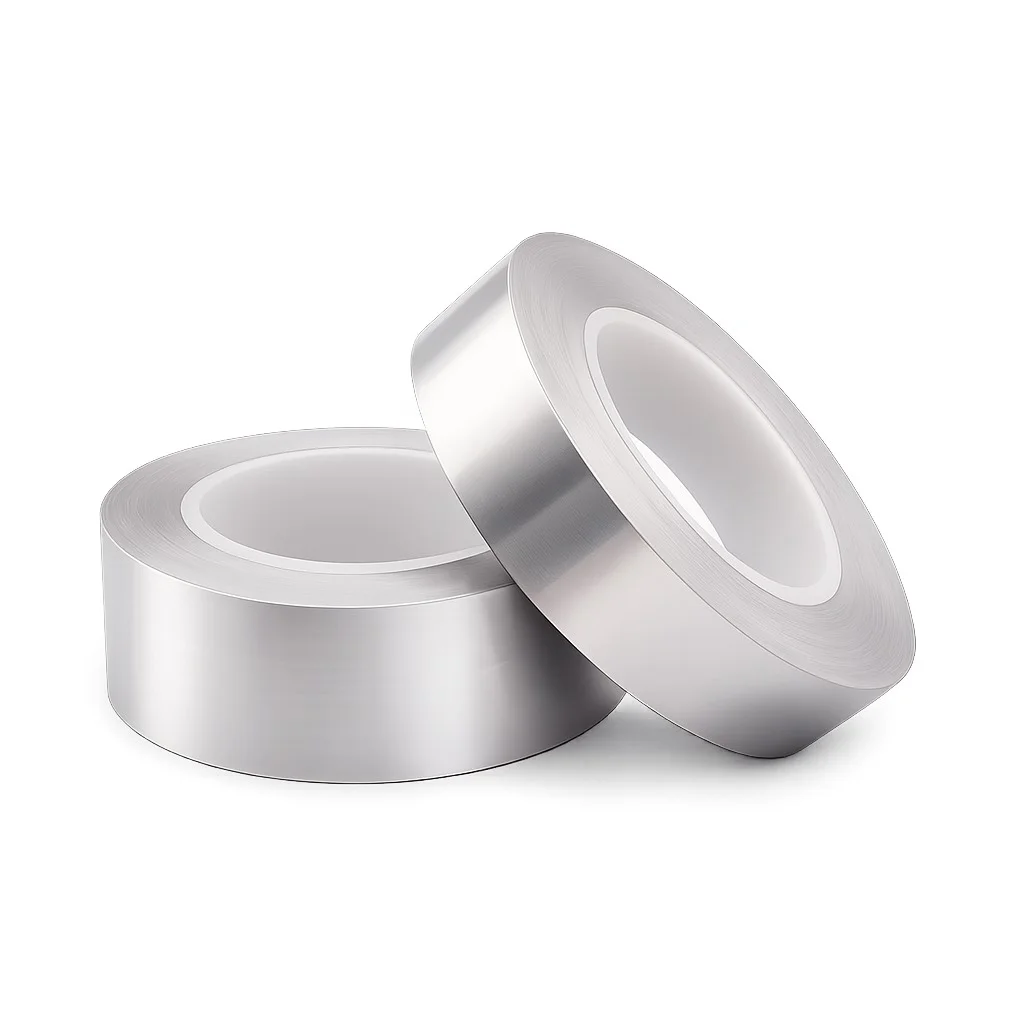
CryoTape MAP
Strong-adhesion cryogenic tape for LNG and LH2 material packages, MLI fixing, and external thermal-protection assemblies.
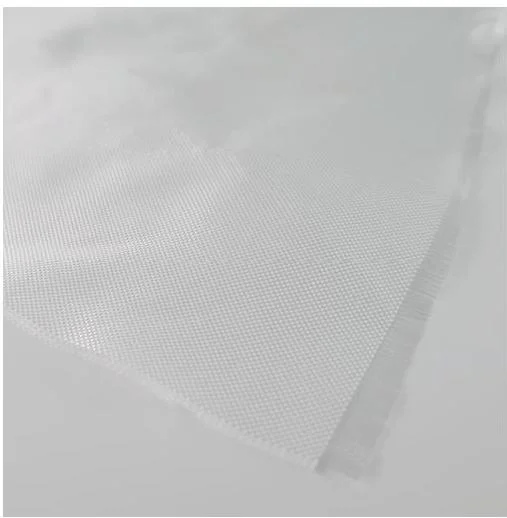
CryoFiG Fabric
Outer protection and reinforcement fabric for cryogenic material packages.
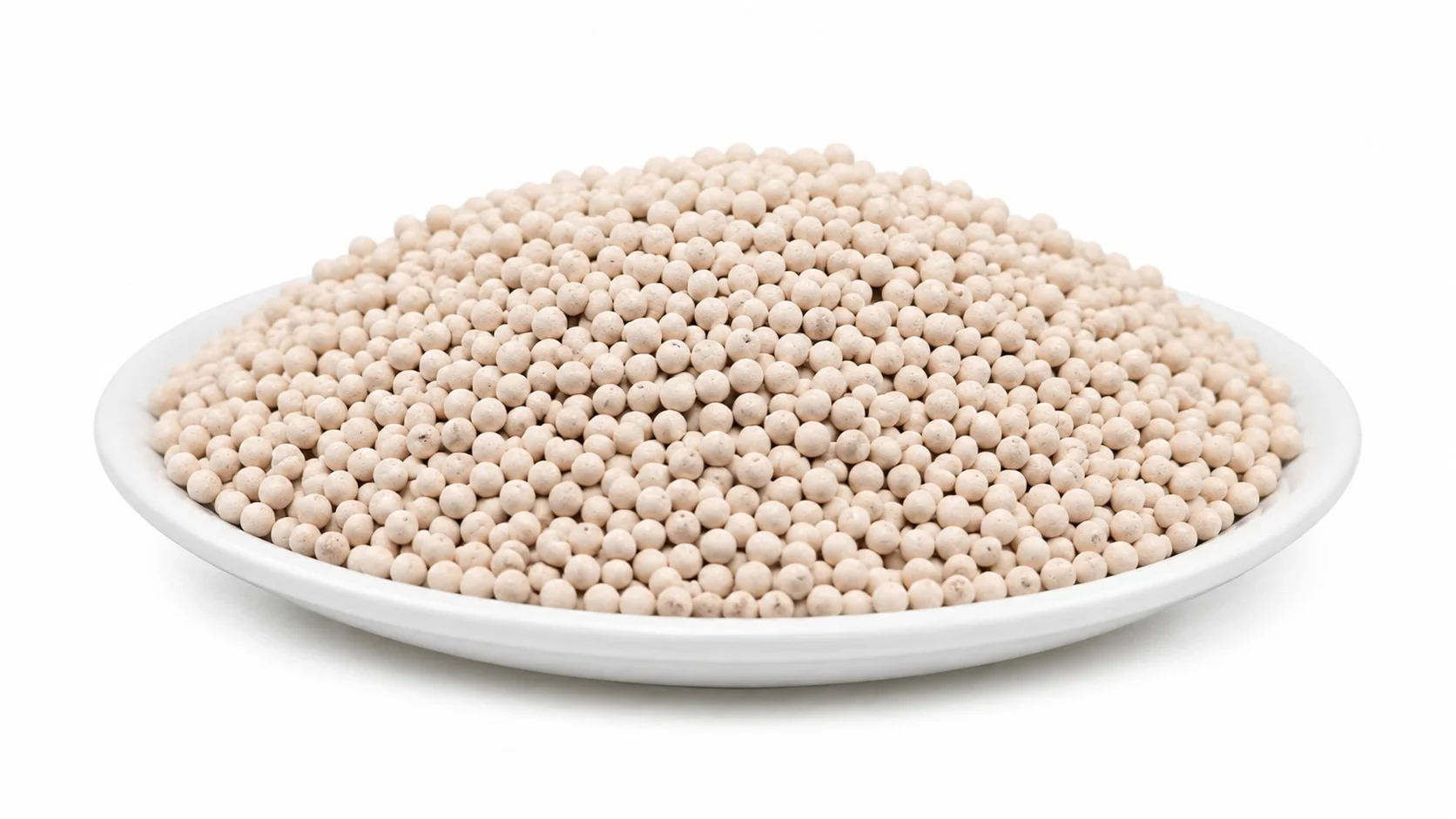
CryoGetter / Vacuum Support
Vacuum-maintenance support for MLI plus adsorbent vacuum-insulation systems.
Engineering scope
Key engineering challenges
- Allocate MLI density across multiple thermal boundaries
- Control venting, outgassing, contamination, grounding, and handling
- Keep all performance statements tied to mission test conditions
System layers
- 01 Mission boundary
Payload, instrument, cryostat, shield, or transfer interface defined by the mission owner.
- 02 Zone-specific MLI
CryoMLI VDMix, 302, or 102 configured by thermal zone, geometry, venting, and installation access.
- 03 Qualified fixing
CryoTape considered only where the project's vacuum, radiation, contamination, and thermal-cycle testing supports it.
- 04 Protection and vacuum support
Outer protection and adsorbent materials selected under mission-specific ownership and qualification.
Supporting materials and supply boundaries
East Far Cryo supplies cryogenic insulation materials, related processing, and material-selection support. Equipment and system responsibilities remain with the project owner and equipment designer.
- Spacecraft, payloads, cryocoolers, tanks, vacuum systems, structures, sensors, and mechanisms are not manufactured by East Far Cryo.
- Radiation, atomic oxygen, launch loads, contamination, planetary protection, and flight qualification are mission-owner requirements.
- Recommendations are preliminary material-selection support, not mission certification or a guaranteed system heat leak.
Parameters needed for quotation
- Cryogenic medium and normal / transient operating temperatures
- Target vacuum level, pump-down method, hold time, and expected residual-gas load
- Equipment geometry, dimensions or surface area, penetrations, and installation access
- Target heat leak or required layer count and any governing acceptance method
- Required delivery form: rolls, slit widths, sewn blankets, profile-cut parts, or installation kits
- Mission duration, thermal zones, vacuum exposure, radiation / contamination limits, venting, grounding, allowable mass, and qualification matrix
Downloads and technical contact
CryoMLI Series Product Brochure
Product structures, specifications, and application notes for CryoMLI materials.
CryoTape Series Product Brochure
Cryogenic tape structures, temperature ranges, and fixing recommendations.
MLI Technical Reference
Engineering reference for MLI material selection, vacuum, heat flux, and layer density.