
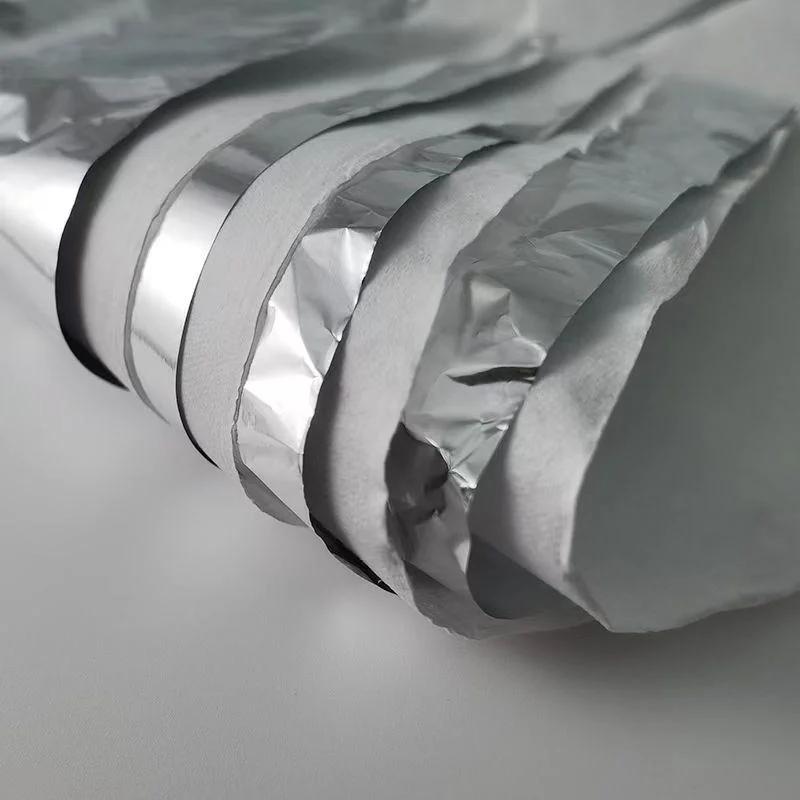
CryoMLI
Core insulation layers for reducing radiative heat leak in evacuated cryogenic spaces.
Products
CryoMLI, CryoTape, CryoFiG, and vacuum-support materials are organized as application-ready packages for low-temperature, high-vacuum engineering.
Start from system conditions first: application, vacuum level, boundary temperatures, geometry, installation access, and the delivery form you need for testing or production.
Material families
Core insulation layers for reducing radiative heat leak in evacuated cryogenic spaces.
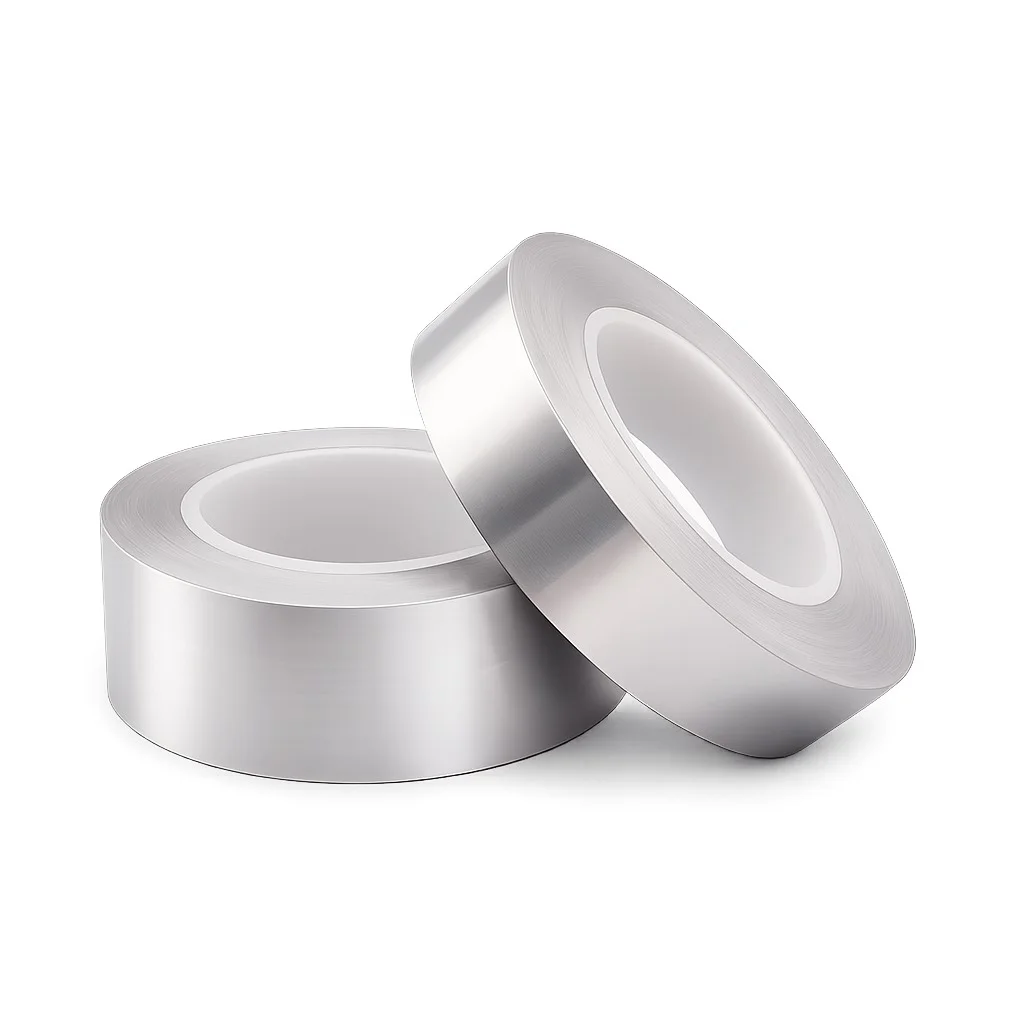
Fixing, overlap, edge control, and local assembly support for MLI packages.
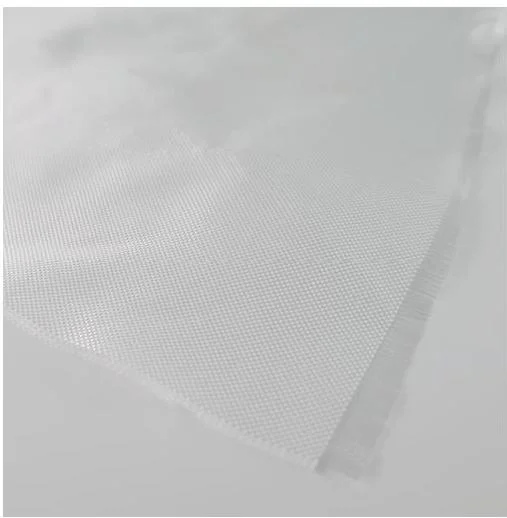
Protection and reinforcement fabric for handling, abrasion, and blanket assembly.
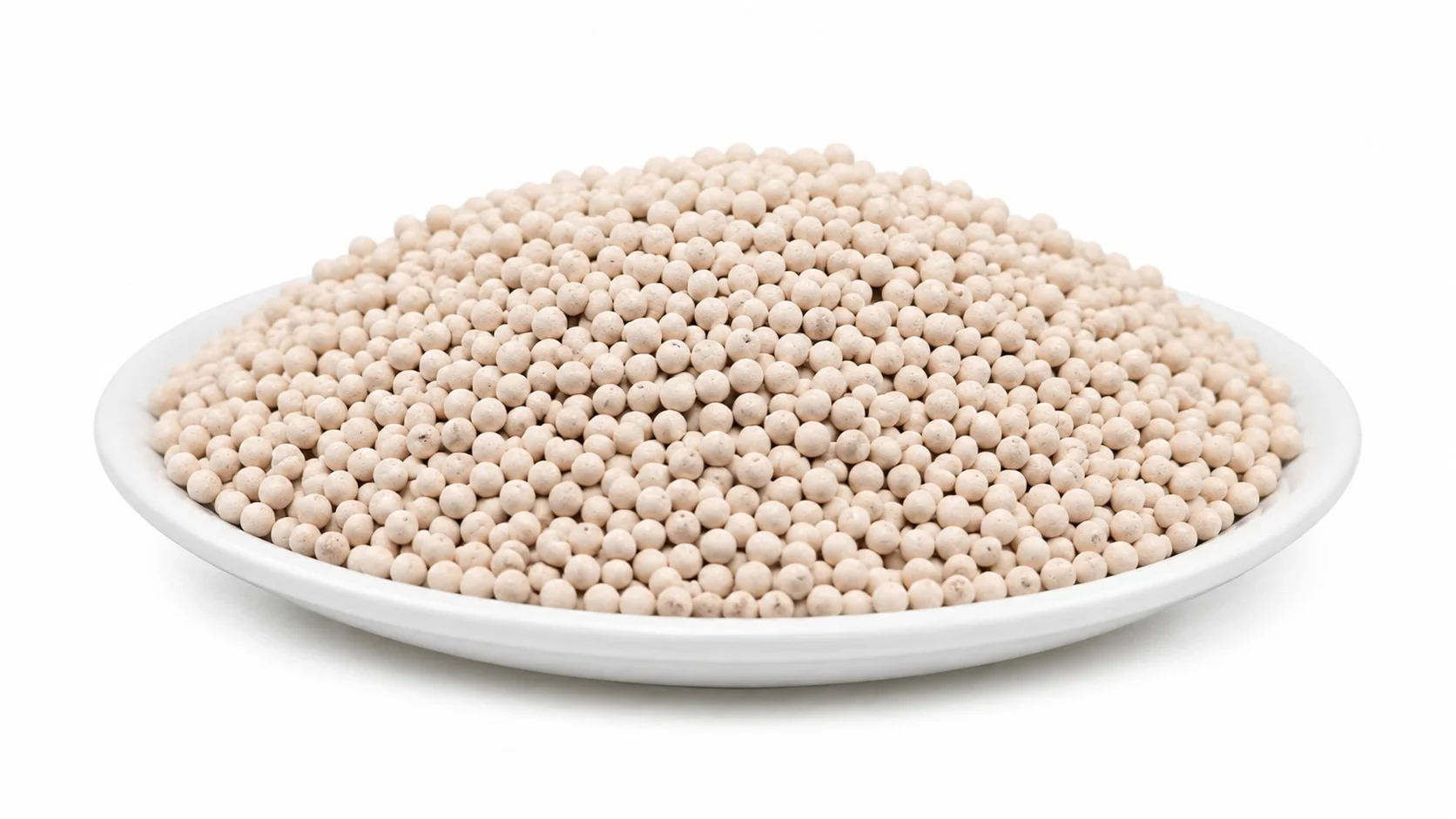
Adsorbent and molecular-sieve support materials reviewed with the vacuum design.
Product selection linkage table
Use this table as an entry point, not as a final design rule. Each row links to the material selector with the application preselected.
| Application | Typical system concern | Core MLI candidates | Fixing / seaming | Protection / vacuum support | Selection |
|---|---|---|---|---|---|
| Cryogenic storage | Boil-off, oxygen-service review, support penetrations, and transport vibration | CryoFilm Al-PET / Al-PI / CryoMLI 101 / CryoMLI 102 / CryoMLI 202 / CryoMLI 212 | CryoTape AlF / CryoTape ACP / CryoTape MAP | CryoFiG Fabric / CryoGetter / Vacuum Support | Start Selection |
| Liquid hydrogen | 20K heat leak, residual gas, pump-down behavior, and low-outgassing review | CryoFilm Al-PET / Al-PI / CryoMLI 202 / CryoMLI 302 / CryoMLI VDMix | CryoTape PI / CryoTape MAP | CryoGetter / Vacuum Support | Start Selection |
| 4K magnets | 4K heat load, cleanliness, shield interfaces, and service access | CryoFilm Al-PET / Al-PI / CryoMLI 102 / CryoMLI 302 | CryoTape AlF / CryoTape ACP / CryoTape PI | CryoFiG Fabric / CryoGetter / Vacuum Support | Start Selection |
| Vacuum piping | Small diameters, bends, valve boxes, field joints, and repeatable wrapping | CryoFilm Al-PET / Al-PI / CryoMLI 201 / CryoMLI 202 / CryoMLI 212 | CryoTape AlF / CryoTape ACP / CryoTape FiG | CryoFiG Fabric / CryoGetter / Vacuum Support | Start Selection |
| Rocket thermal control | Low mass, vibration, complex cut-outs, and contamination control | CryoFilm Al-PET / Al-PI / CryoMLI 102 / CryoMLI 302 / CryoMLI VDMix | CryoTape PI / CryoTape MAP | CryoFiG Fabric | Start Selection |
| Satellite MLI | Blanket geometry, low outgassing, external protection, and flight qualification | CryoFilm Al-PET / Al-PI / CryoMLI 102 / CryoMLI 302 | CryoTape PI / CryoTape MAP | CryoFiG Fabric | Start Selection |
| Research cryogenics | Large research assemblies, vacuum stability, zones, and maintenance access | CryoFilm Al-PET / Al-PI / CryoMLI 202 / CryoMLI 302 / CryoMLI VDMix | CryoTape FiG / CryoTape PI | CryoFiG Fabric / CryoGetter / Vacuum Support | Start Selection |
| Superconducting cable | Cable length, bending, dielectric review, and installation consistency | CryoMLI 202 / CryoMLI 212 / CryoMLI 302 | CryoTape ACP / CryoTape FiG / CryoTape PI | CryoFiG Fabric / CryoGetter / Vacuum Support | Start Selection |
| Deep cryogenic missions | Mission-specific thermal zones, long-duration vacuum exposure, and validation testing | CryoFilm Al-PET / Al-PI / CryoMLI 102 / CryoMLI 302 / CryoMLI VDMix | CryoTape PI / CryoTape MAP | CryoFiG Fabric / CryoGetter / Vacuum Support | Start Selection |
Customer validation remains important
Cryogenic performance is the result of the complete system design, not the material roll alone. Support structures, vacuum level, inner and outer shell materials, vacuum-jacket spacing, number of insulation spaces, penetrations, seams, compression, installation quality, residual gas, and other heat-leak paths can all affect the final result.
East Far Cryo can support material selection, sample preparation, slitting, sewing, rewinding, profile cutting, and project material kits. The final material stack should still be tested by the customer under actual system conditions; our recommendation is a starting point, not a claim that one structure is always optimal.